Deliver, protect and connect applications wherever they run.

Application delivery without compromise

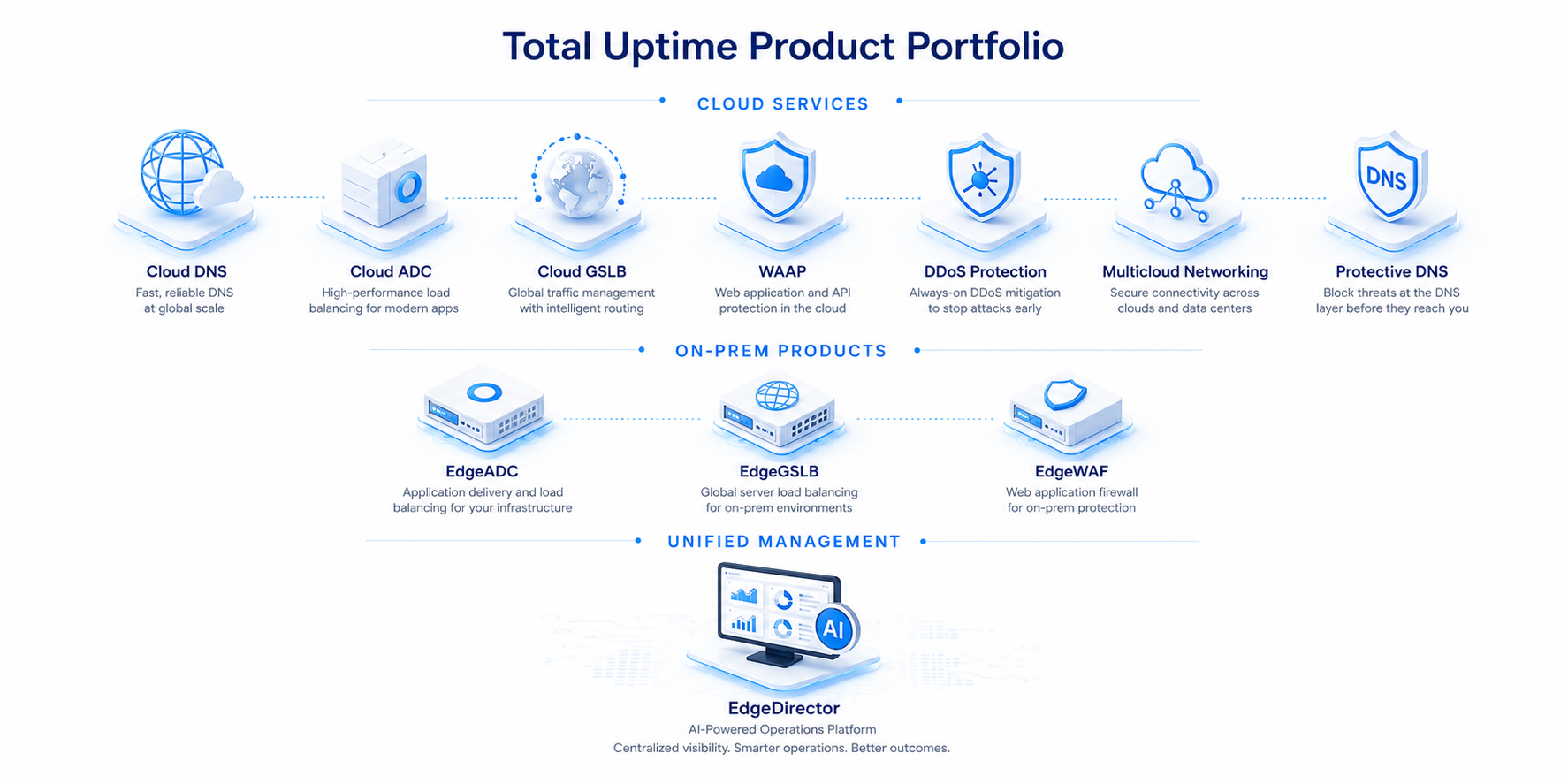
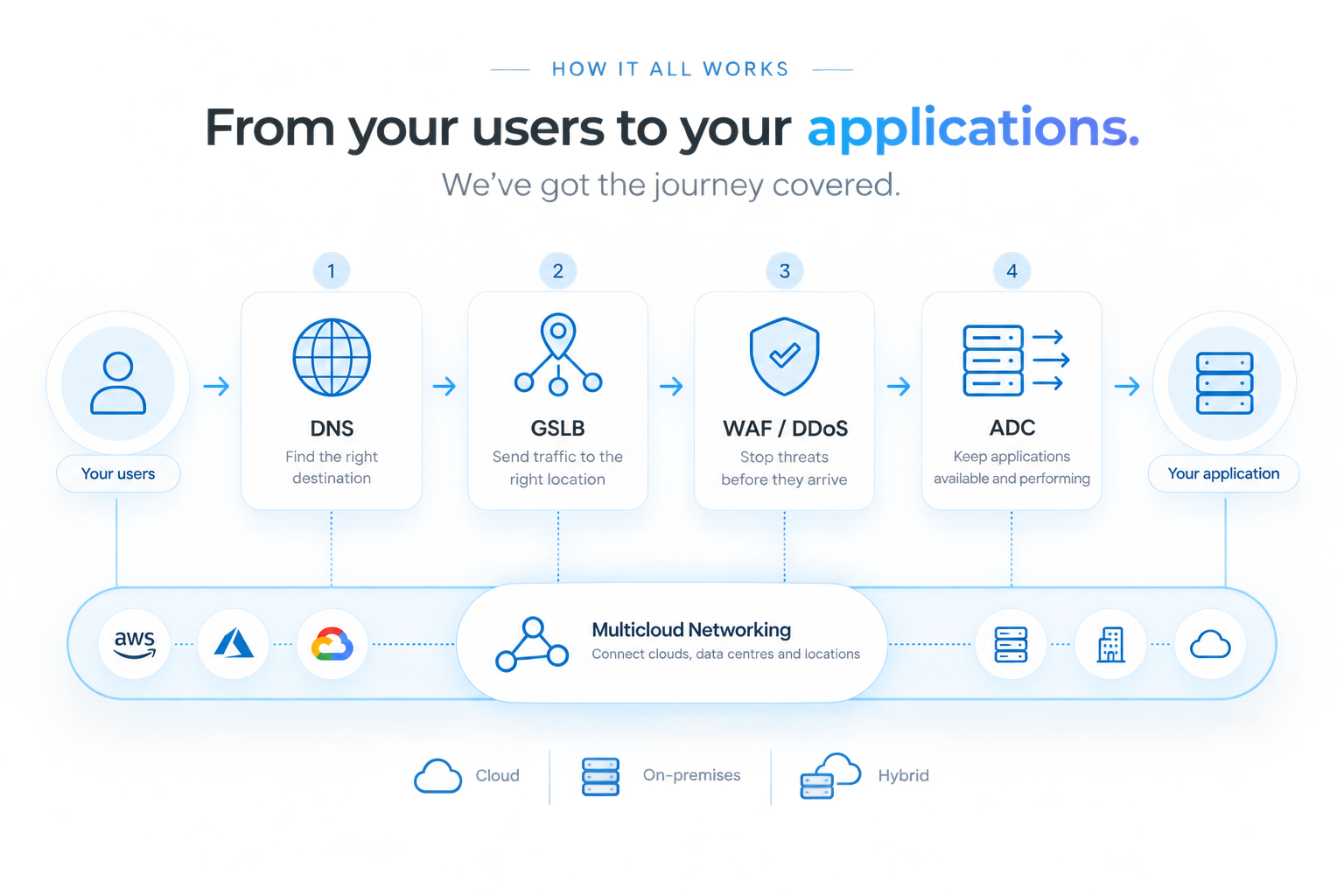
Total Uptime brings DNS, global server load balancing, application delivery controllers, web application security, and multicloud networking together in one platform. Deployed as a managed cloud service, in your own environment, or across both.

Why Total Uptime?

Applications no longer live in one place. Your application delivery infrastructure shouldn’t force them to.

Reduce cloud dependency

Simplify operations

Control cost as infrastructure changes

Control security and data location

Escape vendor lock-in

Build resilience into the architecture

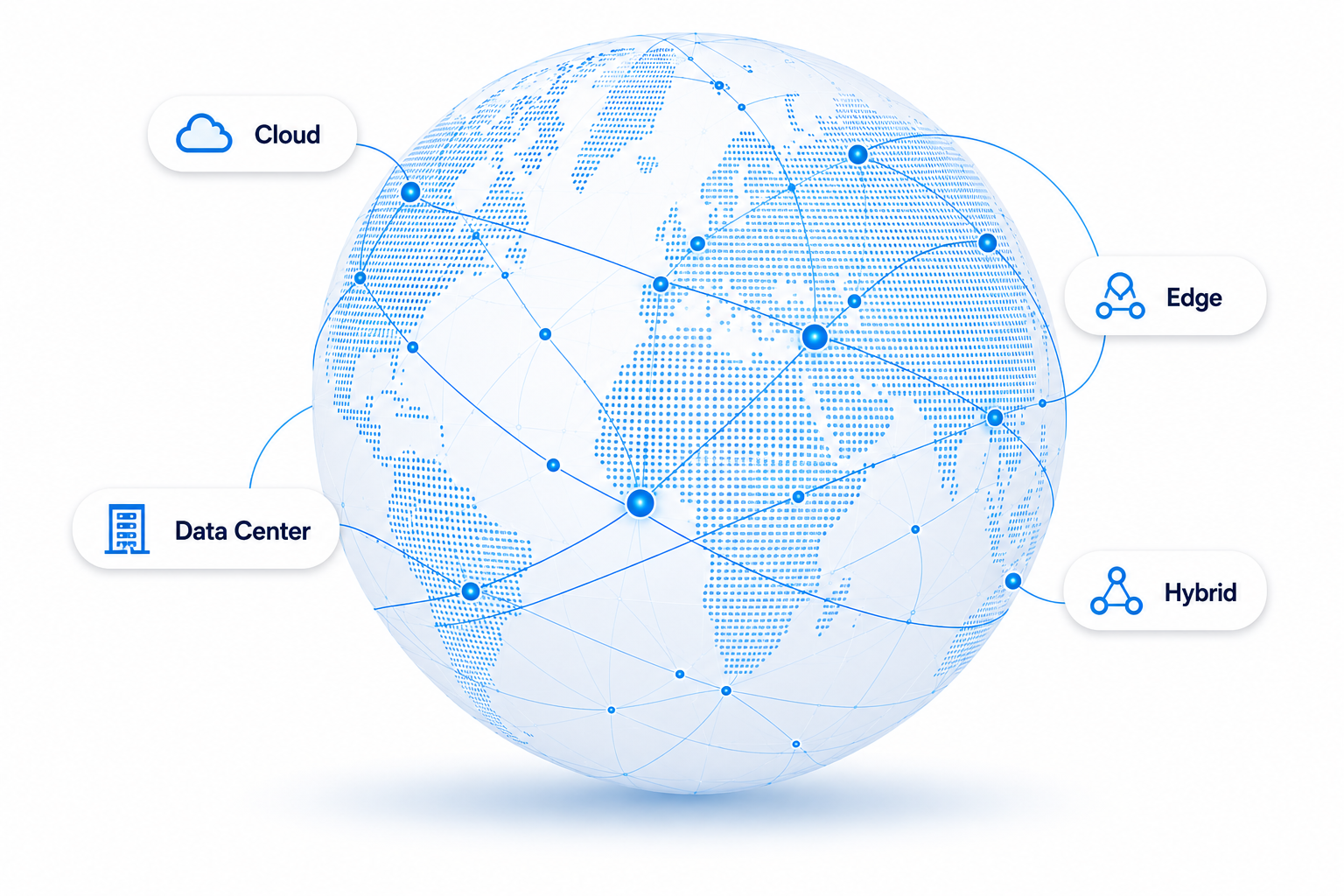
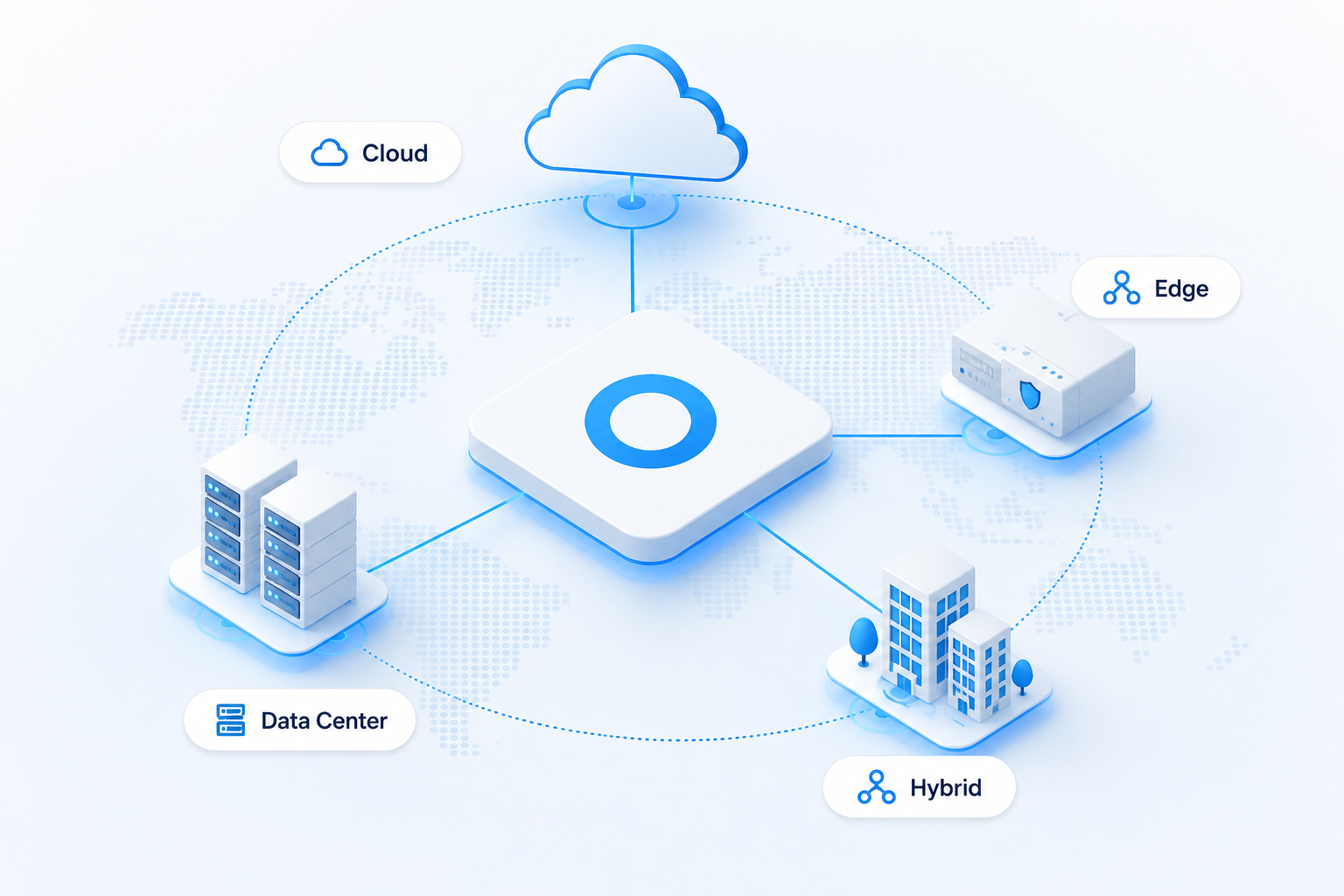
Deploy it where your architecture demands

Application delivery shouldn’t dictate where your applications have to run.

Cloud

Fully managed application delivery

Run application delivery on Total Uptime’s globally distributed Anycast infrastructure.

We operate the infrastructure, capacity, monitoring and updates, with 24×7 engineering support and a 100% network uptime SLA.

Best for: teams that want global application delivery without owning the underlying infrastructure.

On-Premises

Application delivery under your control

Deploy ADC, GSLB and WAF capabilities inside your data centre, private cloud or controlled network environment.


Maintain control over infrastructure, data location and operational policy without depending on a third-party cloud service for application delivery.


Best for: regulated workloads, internal applications, data sovereignty, private infrastructure and air-gapped environments.

Hybrid

One application delivery strategy across both

Combine managed cloud services and self-hosted application delivery across your application portfolio.

Use the deployment model that fits each workload while maintaining consistent application delivery capabilities and a single support relationship.

Best for: hybrid cloud, cloud migration, distributed estates and organisations reducing dependency on a single infrastructure provider.

Infrastructure freedom without application delivery compromise

Control

Choose where application delivery services run and retain control of traffic policies, application behaviour and infrastructure architecture.

Portability

Move workloads between clouds, data centres and deployment models without rebuilding your application delivery strategy around each provider.

Performance

Use intelligent traffic management and a globally distributed Anycast network to connect users to healthy, appropriate application destinations.


Resilience

Design application availability across servers, sites, networks, clouds and geographic regions rather than relying on a single infrastructure layer.


Engineering support

Work directly with experienced application delivery engineers, 24×7. One team can support DNS, load balancing, application security and networking without cross-vendor finger-pointing.


SLA

Total Uptime backs its managed services with a 100% network uptime SLA.

Modern applications live everywhere.

Trusted with mission-critical application traffic

Solve the infrastructure problem, not just the product requirement

Keep applications online during an outage

Automatically detect application, site or network failures and redirect users to healthy infrastructure.

Build application resilience across clouds

Distribute applications across multiple cloud providers or regions without making one cloud’s application delivery stack another dependency.

Replace legacy ADC infrastructure

Move from appliance-dependent application delivery to a modern managed, virtual or hybrid architecture without sacrificing enterprise traffic management.

Why Customers Switch

Simplicity. Consistency. Accountability.

Most organizations don’t suffer from a lack of technology, they suffer from too many vendors, too many tools, and too many disconnected systems. Total Uptime simplifies application delivery by bringing everything together under one roof, giving IT teams greater control, visibility, and confidence.


Application Delivery infrastructure is a critical business system. Minimise the supply chain, simply the system. Outstanding performance an unbeatable support.

Stop managing multiple providers

Traditional application delivery environments often require separate vendors for DNS, load balancing, application security, traffic management, networking, and monitoring. Each comes with its own contracts, licensing models, support processes, and integration challenges.
 

Total Uptime consolidates these critical services into a single, unified solution, reducing complexity, streamlining procurement, and eliminating the gaps that often occur between multiple technology providers.
  •  

  •  

Expert help when you need it

When issues occur, the last thing you need is vendors pointing fingers at each other. With multiple providers involved, identifying the root cause can become a lengthy and frustrating process.

 

With Total Uptime, you work with one experienced support team that understands your entire application delivery environment. From DNS and traffic management to application security and networking, there is one team accountable for helping you resolve issues quickly and keeping your services available.

Unified visibility across every environment

Managing separate tools for cloud services, security, networking, and application delivery creates operational silos and fragmented visibility. Teams spend valuable time jumping between consoles and trying to piece together information from multiple sources.


Total Uptime delivers a single platform for application delivery across cloud, on-premises, and hybrid environments. With centralized management, consistent policies, and complete visibility, your teams can manage applications more efficiently while maintaining control across the entire infrastructure.

Customer success

Trusted by IT Teams Worldwide

Real organisations. Real resilience. Real results.

Your infrastructure. Your way.

Build an application delivery architecture around your availability, security, performance and operational requirements, and change the deployment model when those requirements change.